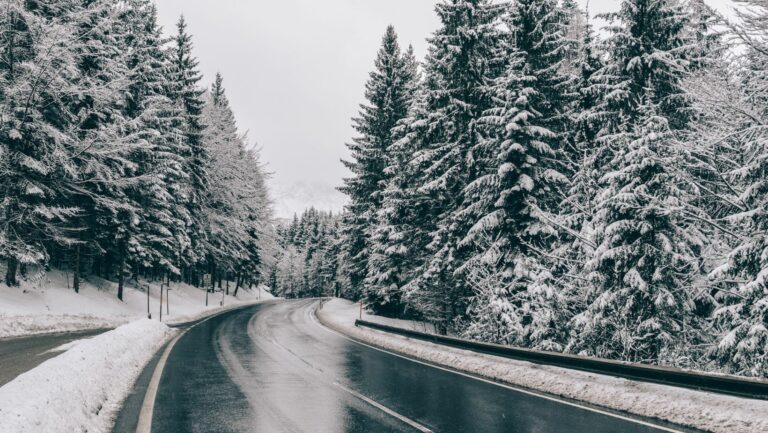


For centuries, people have flocked to the mountains for rest, recreation and recovery. There are few healing environments on earth as powerful as the Alps and the cool breezes, expansive landscapes and serene offerings. Fresh mountain air has been known to support good health, deter stress and promote mental awareness and contemporary studies prove that this ancient notion is true. It doesn’t matter if you’re hiking in a meadow, reading a book beside an alpine lake or simply cracking open the window of your Swiss chalet come morning, fresh mountain air brings people a sense of clarity, lightness and serenity. Thus, this article examines fresh mountain air as the ultimate source of wellness, as it’s the ultimate source for healing body and mind.
Clean Mountain Air and Its Breathing Benefits
Mountain air is remarkably fresher; it contains far fewer pollutants than cities. Winds at altitude disperse contaminants, and natural, dense foliage allows for a type of filtration. Therefore, when a traveler inhales deep in the Alps, they’re smelling only that which is naturally occurring and high in oxygen. Transportation from DIA to Vail CO is often mentioned by travelers comparing how clean mountain air feels across different ranges, highlighting how reduced pollution contributes to overall wellbeing. These factors ease lung function and create an opportunity for slow, long inhales and exhales, which naturally relaxes the body and improves its respiratory response. It’s not uncommon for those with slight allergies to notice that symptoms clear up in the mountains as pollen and chemicals are less likely to be in the air. Merely spending more time outside – whether trekking or just sitting – allows one to return to breathing patterns that allow for optimal relaxation and energy.
How Mountain Air Helps Minimize Stress and Support Cognitive Function
Mountain environments contribute to mental health in ways that feel immediate. For example, crisp air awakens the senses, while surrounding quiet allows the mind to turn off. Upon walking outside in the Alps, it’s easy to let one’s worries go in one ear and out the other, replacing it with only the sound of wind, streams, and bird chirps. Such transitions significantly impact whether or not someone is stressed: cortisol levels drop, heart rates stabilize, and mental fatigue subdues. It’s not uncommon for people to feel more focused and creative after spending only minutes in these types of locations. The opportunity for deeper breathing encourages calmness and steadies cognition; with so much open air, one can find their zen without feeling overwhelmed by distractions. The mountains are the perfect escape for anyone feeling bogged down by life.
The Benefits of Negative Ions
Finally, what some people do not realize is that mountains contain higher levels of negative ions – tiny particles beneficial for mood and perceived energy. Negative ions exist near running water, waterfalls, and forests – and thus, are ubiquitous in the Alps. Negative ions increase oxygen uptake in the brain, bolster serotonin levels, and promote a good mood as well as increased relaxation. It’s not uncommon for travelers to note that they feel light when hiking near cascades or pensive when sitting in an alpine forest. It’s as though the atmosphere is doing even more for you than you realize. These negative ions bring additional wellness benefits to emotional support in a lasting way – especially when combined with beautiful scenery.
Improved Circulation, Immunity and Physical Health
Fresh mountain air combined with mild movement help to foster physical health. Simply being in the great outdoors – such as taking a walk or going for a hike at elevation – enhances cardiovascular functioning with natural adjustments emerging like increased red blood cell development, etc. Cool air breathes more life into the body as it gets the blood pumping. Cool air also discourages excess inflammation, making your body feel new and refreshed. Besides, exposure to sunlight with greater elevation means vitamin D absorption which boosts immunity and bone health. Simple activities like walking at the lakes or through the forests only compound these physical advantages of being in the mountains, making the Alps an incredible place to be all around for better wellness.
Better Sleep Patterns From Natural Cycles
Another surprising component that travelers find when they return home from their mountain excursions is how well they slept in the Alps. Fresh air, altitude, quietness, and exertion combine to promote better cycling rhythms while falling and staying asleep. Cleaner air means better oxygen flow, less snoring and less sleep apnea while cooler temperatures help create the ideal environment for deep sleep. When there’s no city traffic and urban noise, along with fewer lights shining, it’s easier to succumb to sleep. The relative materials in and around mountain huts and chalets almost encourage you to fall asleep, making those nights in the mountains calm and grounding. Therefore one of the best unexpected components of wellness traveled is a sleepier self – and one that travelers bring home with them, too.
Environmental Impact and Separation Anxiety – In a Good Way!
Wellness in the Alps comes from more than just improved air quality; it comes from how wide open so much of the area is – from massive peaks to expansive valleys – that naturally breed awe. As emotion emerges from a psychological perspective, awe is one of few emotions that has proven to reduce stress, promote mindfulness and increase health better than other emotions. Noticing a lookout point or strolling through a wildflower meadow helps put things into perspective. The air quality helps trigger responses in the brain due to altitude, lighting and appeal that make people feel more grounded – and less neurobiotically cluttered. Nature becomes therapy in this part of the world, allowing an emotional response to create better groundedness and opportunity to find peace within oneself again.
Mindful Practices that Complement Fresh Mountain Air
Clean air has even more wellness potential when coupled with mindful practices. Yoga atop a mountain, meditation beside a lake, or slow, intentional walks through meadows and forests allow you to appreciate the air to the fullest extent. Sometimes all you need is a moment of sitting still and breathing deeply to notice the clouds rolling over mountains or the pines softly swaying in the breeze. Forest bathing has become increasingly popular across Alpine regions, allowing for calm through breathing in the air of woodsy paths, all while decompressing from modern urban life with forced, mindful connection to nature. When breathing becomes intentional – and supports fresh mountain air – stress lowers, calm returns, and clarity ensues.
Fresh Mountain Air Provides a Wellness Reset that Sticks
The wellness benefits associated with fresh mountain air don’t wear off when your trip concludes; they extend with you into the comforts of home. Travelers report improved mood, sleep, and sustained energy weeks after leaving the Alps to return home. It’s a mental cache of healthy landscapes, the quiet of the mountains and moments of intentional breathing that provide a much-needed anchor for calm throughout daily life.

The mountains encourage wellness from a reset approach, both physically and mentally, establishing limits of where people should go (and not go) for peak productivity and lower stress levels. Therefore, if everything in life can be noisy and chaotic, the Alps are the natural antidote, where even the most basic component – fresh and clean air – supports wellness access.
Breathing Exercises Accompanying Fresh Mountain Air Feel More Effective
Intentional breathing is even more effective in mountain environments as the air is cleaner and cooler. Whether one breathes deeply into their stomach for belly breathing, inhaling for four counts and exhaling for four counts, box breathing, or even slow inhales/exhales feel more accomplished – and effective – when no one’s stuck inside breathing along with modern pollution for the refined count. Many travelers report more clear-headedness after mere minutes outdoors in intentional focused breathing. Given the slightly thinner air higher up, lungs must work harder – albeit marginally – to accommodate early excursions. With time, however, this strengthens respiratory muscles for more productive efforts down the line. Whether one feels this in a scenic viewpoint, along a lakeside walk or merely stops mid-hike for an intentional deep breath will help promote absorbing wellness energy within the landscape itself.
The Benefits of the Forest Scent and Mountain Smell
The Alps are home to a multitude of aromatic plants – pines, spruces, larch, junipers, mountain herbs – each emanating the phytoncides through scent. The scent itself is invigorating, but scientific studies show that scents in such forests reduce stress hormones, decrease inflammation, promote immune response and emotional calm. Thus, in the summer months or during late spring, the combination of scents wafting through the forests of the Alps become a therapeutic component of healing vacation, as well as wild meadows bearing picturesque flowers and delicate scents that lift one’s spirit. Many wellness practitioners capitalize upon such scents in their treatments. This makes it indisputable that the air of the mountains is not simple oxygen, but a concoction of therapeutic goodness derived from the natural surroundings.
Activities That Make Mind-Body Connection Stronger
Air in the mountains, too, brings freshened activities for those who seek them. For some reason, air seems more energizing in the mountains, more restorative, more fun. Thus, a refreshing hike feels like a meditative experience with breath and timing; a cold plunge into an alpine lake stimulates circulation and delivers endorphins by the bucket with little attention paid to the temperature shock; a cycle through the valleys or up hills (or along mountain-side flats) feels light and empowering thanks to clear air and extensive visibility; and stretching in the morning sun feels more fantastic than a nighttime walk before dinner. Thus, the Alps promote physical movement that easily connects a person to their mind’s thoughts and body’s reactions. In this way, fresh air is compounded by natural activities that make connections stronger with relative ease.
Mental Wellness for Those Who Need Calm or Clarity
For those who seek emotional equilibrium or mental clarity, there is little better than traveling to the Alps. The reduction of cognitive load, courtesy of the natural sights and sounds, renders it easier to figure things out, get over what one has been stewing on for too long, and reassess priorities. Many have epiphanies during trips to the mountains whether sitting beside an absolutely still lake or watching sun rays spill out over a great valley. The air helps to focus attention and begs presence of time at hand, enabling travelers to bask in the non-digital avoidance of responsibilities. Therefore, for anyone who needs a reboot, has experienced burnout, or desires an extra boost of calming sensibility and grounded direction, the Alps present a most viable option.
The Natural Euphoria of the Alps Enhances Organized Wellness Sessions
The fact that Alps-based wellness retreats are so popular means that it’s a natural euphoria experienced there that helps the structured endeavors of such wellness retreats in the first place. Yoga feels more grounding when practiced with an open sky and a fresh breeze. Meditation workshops are more helpful to find stillness when there’s no sound but nature around you. Spa treatments, such as hot-cold disparities, feel more invigorating with clean air to breathe in. Many wellness retreats focus on bathing (of the hot spring and forest varieties) and mindful hikes to encourage awareness guided by nature. There isn’t a practice in a wellness retreat that the Alps don’t enhance, ensuring better results over a longer time and with more transformative properties.
The Immediacy of Alps-Based Wellness Makes For Simple Sustained Lifestyle Changes
One of the most beneficial things about spending time in the Alps is how the experience effortlessly translates into sustained lifestyle changes. Travelers want to bring the Alps back with them in some capacity – walking as soon as they wake up for better air quality access, breathing deeper and slower, filling their days with more motion and time spent outside in green spaces, sending them to bed earlier. The pace of life calms their activities back home, helping them better schedule meals without technology distractions, aligning their eating patterns with deliberate attention, getting good digestion by better sleep and slower performances of daily tasks. Even the act of opening windows at home for fresh air or going on weekday excursions just to get access to green space keeps people engaged with the wellness they felt while in the Alps. The air made it easy to breathe this newfound appreciation for life back into their realities.