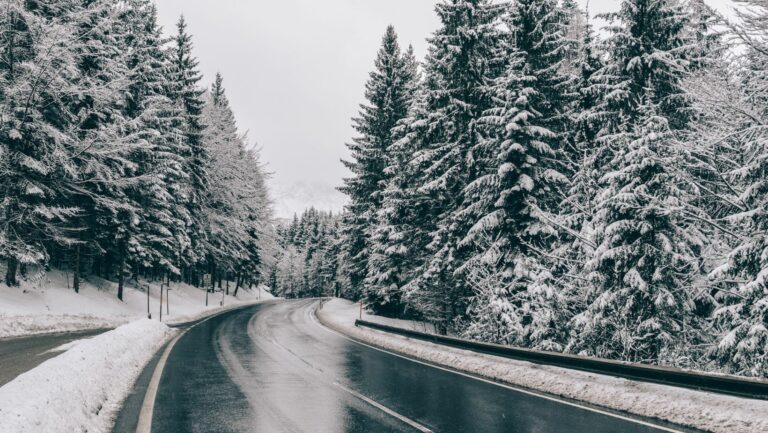


The Alps cover eight countries, with each possessing its own, special landscapes, culture, gastronomy, and regional flair. For those who want to soak in the region’s depth and features, visiting multiple Alpine countries presents an incomparable opportunity to learn how the Alps dictate tradition from Switzerland to France, Italy to Austria, Germany to Slovenia and more. With available transportation networks, stunning panoramic trains and mountain passes connecting major cities and towns, it’s easier than ever to navigate your way through several portions of the Alpine nations on one trip. Use this guide to learn about how to create a seamless, impactful multi-country experience that avoids sacrifice but rather, fosters variety, comfort, and understanding.
Choosing a Logical Route with Fewer Travel Days/More Travel Hours
Many travelers who take the leap to create a multi-country experience in the Alps get off on the right foot by choosing a natural route through the mountains instead of making things more complicated with backtracking. Many people will travel into Switzerland or Austria. For example, primary airports exist in Zurich, Geneva, Innsbruck, and Munich to access several borders without too much hassle. Traveling from Switzerland into Italy and France is relatively easy, while Austria opens the door to Germany, Italy, and Slovenia. Transport from Turin to Cervinia resorts is often considered when mapping cross-border itineraries, as it allows travelers to smoothly connect Italian Alpine regions without disrupting the flow of their journey. A logical route avoids long travel days and enables travelers to maximize their scenic viewpoints, hikes, markets, and village walks. Whether people choose to traverse from west to east or north to south, a geographical route makes a multi-country itinerary feel more plausible and simplistic.
Connecting Countries with Scenic Trains
Alps represent some of the most picturesque rail systems and train services in the entire world. Therefore, one of the most accessible and stress-free ways to travel between multi-country experiences is via train. The Bernina Express is one of Switzerland’s most scenic trains and links Switzerland with Italy through glacial landscapes and impressive viaducts. GoldenPass heads toward the French Alps, while Austria’s OBB connects seamlessly with Germany’s DB for explorations beyond borders. Scenic trains reduce the worry of traveling up and down mountain passes by car while granting passengers time to kick back and enjoy the views for their journey through multiple countries. Additionally, based on the rail systems’ interconnected nature, rail travel is one of the most sustainable tourism options for those wishing to explore various nations within one system.
Enjoying the Difference of Alpine Culture in Each Country
Part of the joy of spending time in various countries is reveling in how differentiated cultures express themselves within one thematic setting – mountains! Switzerland boasts precision, quiet charm, and stunning rail journeys throughout. France has gourmet finds and villages more familiar to fine living and historic peaks like Mont Blanc. Italy’s Dolomites differ from the vast mountains nearby as they consist of limestone towers mixed with fantastic hospitality (Alpine-Mediterranean) flavors. Austria boasts village traditions, a music culture, and impressive grooming tasks in ski areas. Germany’s Bavarian Alps boast folklore (think “Sound of Music” type vibes), hearty food, and castles on lakes that look like postcards. Slovenia has fewer trails for touristy endeavors but offers green valleys and an authentic relationship with reality. Exploring contrasts like this – and living them side by side – enhances an otherwise simple Alpine experience.
Combining Famous Alpine Big Shots With Off-The-Beaten-Path Experiences
The best multi-country itineraries combine the most famous bucket list stops and the most obscure ones. While seeing the Matterhorn, Mont Blanc, and/or the Dolomites for yourself might be the highlight of your trip – and it would be an iconic and unforgettable experience – having those stops lead you to smaller villages (Mürren, Alpbach, Kranjska Gora) would allow you to appreciate the quieter side of mountain living and immerse yourself more in the culture. Therefore, it’s important to do a bit of both. Famous destinations are great for access and explosive moments of natural beauty, while small towns help you slow down at a time when old-world ways still prevail. Your trip will never feel like too much; instead, it’ll be pleasantly dynamic.
Diversifying Your Adventure and Wellness Scheduling Over Borders
Each country has its unique spin on adventure sports and wellness opportunities. They might not exactly overlap, so a multi-country trip facilitates an easier leap from one style to another. One could hike in Switzerland, cycle in Austria, paraglide in France, and enjoy thermal spring soaking in Italy all in one visit. With different emphases on each element, an itinerary flows better by integrating active days with those spent at spas, picnicking by lakes, or taking stunning train rides. For a balanced approach, make one day easier or more relaxed after a high-intensity one. Otherwise, travelers might find themselves too worn out to appreciate what each country has to offer.
Mastering Language, Currency and Travel Nuances Between Countries
Moving from country to country means traversing different languages and currencies. Switzerland is franc-based; the rest of the countries near the Alps for the most part use the euro. German is spoken in Switzerland, Austria and parts of Italy; French is spoken in Switzerland and France; Italian is primarily an Italian language; Slovene is only spoken in Slovenia (obviously). However, English is relatively easy to come across in tourist areas. Knowing a few words of each language will go a long way in ensuring tourists have pleasant exchanges with locals. Nuances for SIM cards, border crossings and train schedules are seamless since many countries are in the Schengen area. These little differences help ensure your multi-country experience isn’t confusing or rushed but instead adds depth and culture.
Food Is The Most Delicious Part About Appreciating The Differences In Every Country.
Food is one of the easiest ways to appreciate each country’s personality. There are fondue and raclette and chocolate in Switzerland. Canederli, speck, polenta in northern Italian regions. Tartiflette, Beaufort cheese and classic French pastries in the French Alps. Schnitzel, käsespätzle or Kaiserschmarrn in the Austrian Alps. Slovenian stews, herb varieties and farm to table initiatives have their own unique appeal, as well, as does the effort of living and being in the Alps for an appreciation for the land and what it has to offer to make good meals.

There are plenty of regional specialties that roam the Alps as a whole but each country has its own share of staples across borders, as well. Experiencing them all is a microcosm of culture that stitches this journey together with beautiful explorations of what good eating means in each country based on what the land has to offer them. There exists a tasty thread that runs through the whole experience.
Where You Stay Will Make More Sense If You’re Traveling Multi-Country.
It’s where you stay that gives you the sensibility needed for an Alps experience. More is more! From city lodges to more homely chalets to spa hotels to mountaintop accommodations, there’s variety in the spice of life! Chamonix, Innsbruck and Lucerne are the three cities; these are all larger towns that will have bustling streets and museums and attractions worth exploring while rural locales may have bed and breakfasts and family-run guesthouses that welcome weary travelers with open arms with traditional cooking and true hospitality that extends to deeper relationships within the region. If this once-in-a-lifetime opportunity comes along, sleep atop a mountain refuge – the only opportunity to awaken to sunrise illuminating the peaks right outside your window. Where you stay sets the tone for everything else you do – even more critical if going through multiple countries. Staying true to regional sensibilities provides a resonance that wouldn’t get as deep unless experienced through a multicultural effort instead of a singularly national experience.
It’s Just More Of An Important Natural Wonder If It’s All One (It’s Only Three Countries) Instead Of Three Parts.
The Alps are one incredible natural wonder that could have easily been one part instead of three, fragmented across three different countries. By exploring several at once, it makes sense to appreciate this wonder as a culturally driven culmination of visually incredible pieces that transcend borders because it’s all one thing – overlapping identity despite vast geographical distance. By carving through several, travelers see how nations share a similar approach to things despite being different countries and how architecture, food, music and life change based on proximity or distance yet all enjoy the same historic towns that lie within this natural wonder. It helps travelers see that borders may separate countries but the Alps do more to connect countries than anything ever would.
Trying to Figure Out How Long to Stay in Each Country
The most complicated part about an interconnected, multi-country trip is determining how long to stay in each country. Ideally, since Switzerland is the middle of the trip with great panoramic train rides and beautiful peaks, it would be best to stay here to have accommodation. However, with the most dramatic scenery in the Dolomites, travelers need to find time in Italy for a longer stay there. France offers a connection of adventure and small town culture while Austria is central and most accessible hiking options exist for any skill level. Germany and Slovenia can be optional stops at trip’s end and beginning, respectively, if travelers want a less commercialized approach to the Alps – perhaps a more cost-effective option, as well. However, in an attempt not to push a pack too much approach, two nights per region gives travelers the necessary accommodation time without being overwhelmed. The goal is to have enough variety to keep it interesting as opposed to a ho-hum or oh, I just came from your restaurant yesterday type situation with too much of a transition between borders.
The Finest of Each Country Occur at Border Regions Where Cultures Merge
One of the best parts about traveling between multiple countries is that proximity to border regions present a cultural and geographical blend of the two. For example, South Tyrol provides both Italian and Austrian flag colors throughout the region with food options listed in both languages as well as architectural endeavors. Since Switzerland and France are near Lake Geneva, travelers can enjoy French cuisine in quaint lakeside towns while enjoying Swiss punctuality and panoramic train accessibility. Slovenia has a strong Slavic warmth blended into its Julians while its landscapes are similar to Austrian ones. This means that for centuries of living up in the mountains – typically isolated – people learned to discover natural compromise based on geography instead of geo-political endeavors – for travelers, it means that by spending time at borders, it’s like receiving the best of two worlds all at once.
The Panoramic Train Rides Offer Transitional Exploration
Panoramic train rides are destinations within themselves. By including iconic train journeys like the Bernina Express, Glacier Express, GoldenPass Line or Brenner Railway, one makes these travel days worthwhile excursions instead of just another stressful day of crossing borders. These train rides boast glaciers, lakes, viaducts and storybook towns that host Alpine glory that do not disappoint by crossing a border. Trains are also eco-friendly options to get around with little stress for the traveler – perfect when crossing between Switzerland and Italy or Austria when transitioning between those three countries. Therefore, if one begins their itinerary with these iconic lines first, they’ll make the transition easy for themselves with emotional appeal as they watch one country’s landscape fade into another on their journey.
Choosing Activities That Showcase Each Country’s Strengths
Each of the Alpine countries has its respective experiences to stamp its identity. Switzerland is known for glacier trips, lake cruises, and accurate trains going to and from the mountains. France capitalizes on mountain sports, high-altitude dining, and the allure of Mont Blanc. Italy’s Dolomites boast custom hiking, via ferratas, and food comparable to Alpine and Mediterranean cuisine. Austria and Germany are known for musical connections, spas, and well-groomed ski slopes. Slovenia has serene national parks